2_A wireless, self-powered smart insole for gait monitoring and recognition via nonlinear synergistic pressure sensing
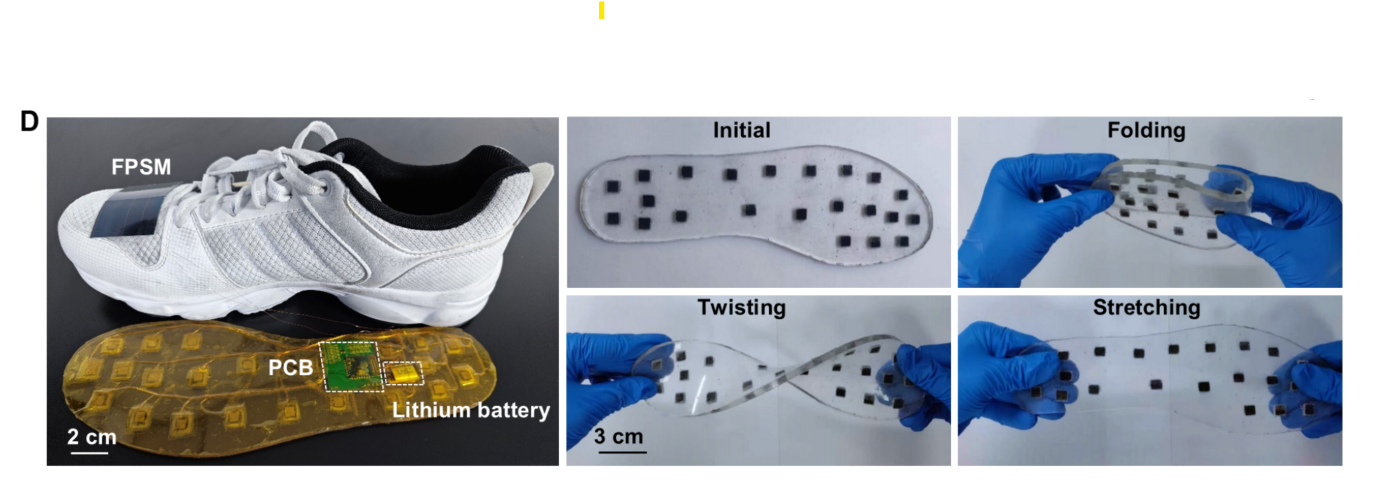
Figure 1: Prototype of the smart insole system
🔍 Abstract
This paper introduces a fully integrated, wireless, and self-powered smart insole that performs real-time pressure monitoring and gait analysis. It stands out thanks to a nonlinear synergistic sensing strategy, which enables both remarkable linearity and high durability—a rare combo in soft electronics.
The insole system supports real-time visualization and motion classification using a machine learning model (SVM), and it successfully recognizes eight types of movements.
Some thoughts I had while reading:
- How exactly does the nonlinear strategy enhance durability?
- Did they compare different machine learning models?
- What are the specific eight motion states?
🧗♂️ Technical Challenges
- Achieving high linearity and long-term stability in flexible sensors
- Designing a wearable energy module that offers consistent, reliable power
💡 Key Insights
🌟 System Design
🧩 Structure
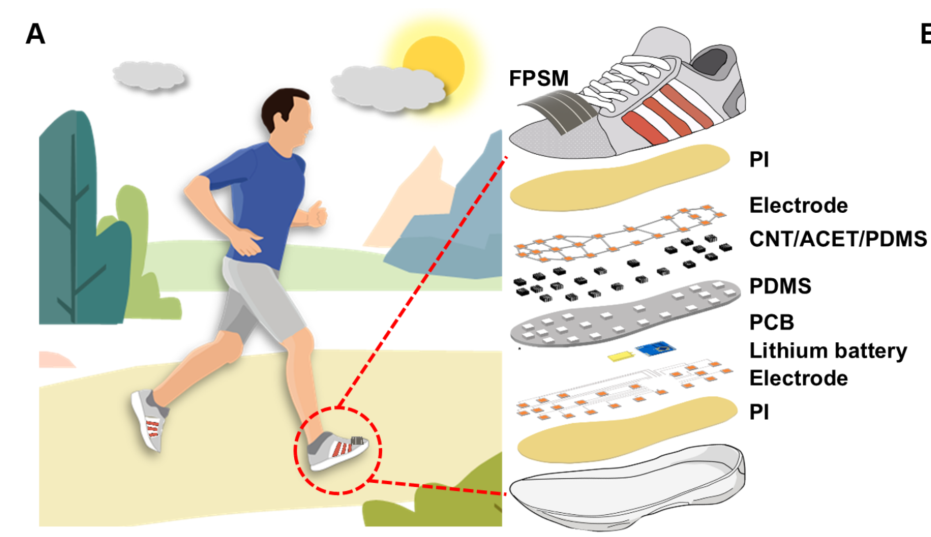
Figure 2: Overall structure of the smart insole system
- 22 sensors in total — that’s quite impressive for a single insole.
- Layers include upper and lower PI encapsulation, which can be difficult to integrate — I’d love to know how they managed that.
- The conductive layer includes carbon nanotubes and acetylene black (乙炔黑) — both excellent conductors.
- Sensors are densely embedded in the PDMS layer, which contributes to their durability.
- Lithium battery and PCB are housed in the arch of the insole.
🔁 Synergistic Strategy
- They cancel out nonlinear mechanical and electrical effects through a clever nonlinear synergistic strategy.
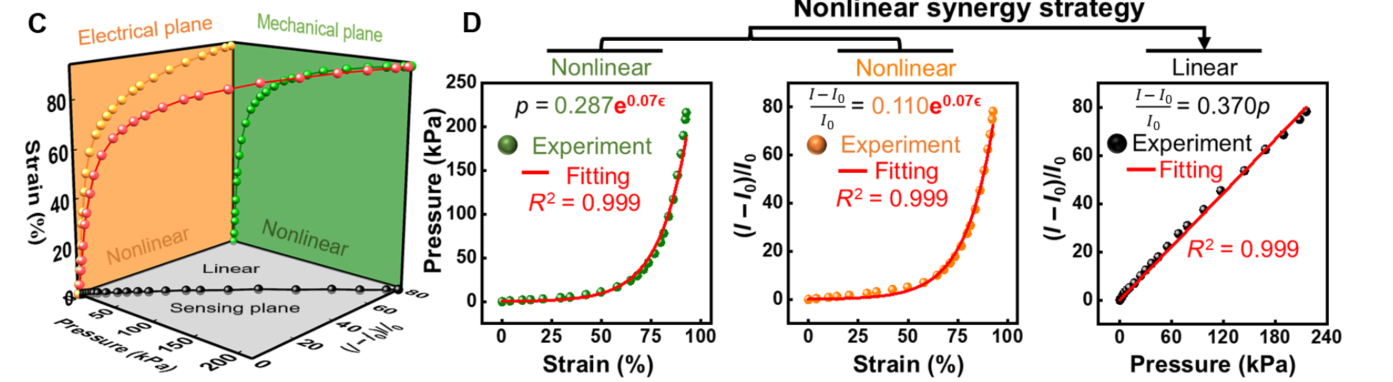
Figure 3: Nonlinear Synergistic Strategy
Some questions:
- Does this method apply uniformly across all sensors?
- How do they ensure sensor-to-sensor consistency?
🤖 Machine Learning Model
- They used an SVM to classify motion states:
Sitting, Standing, Single-leg standing, Squatting, Walking, Running, Ascending stairs, Descending stairs
I wonder: did they use one insole or a pair for classification?
🎨 A Closer Look
🧪 Sensor Fabrication
They used sugar templating to create a porous structure.
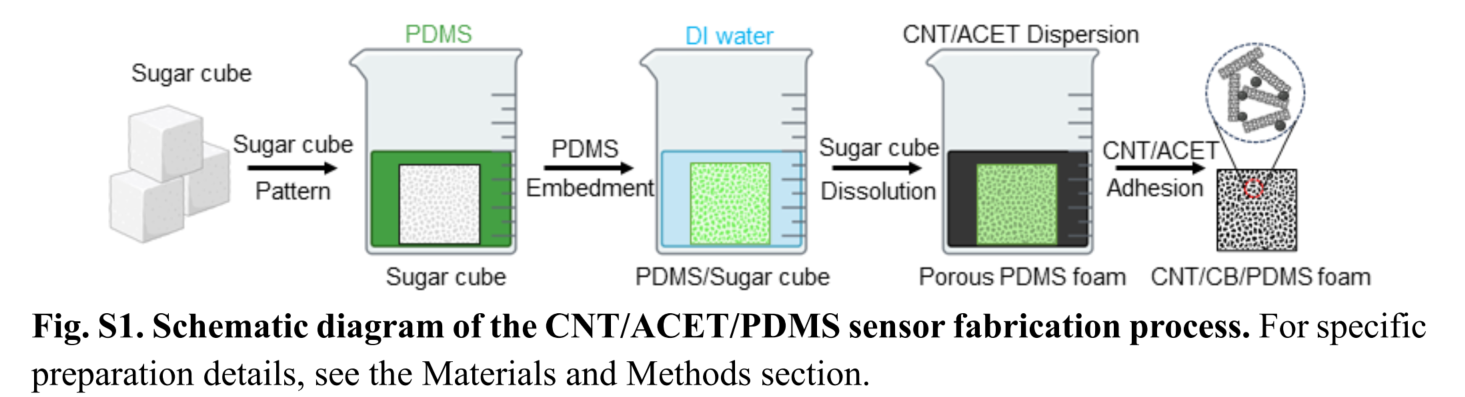
Figure 4: Sensor fabrication process
Here’s how the entire system is assembled:
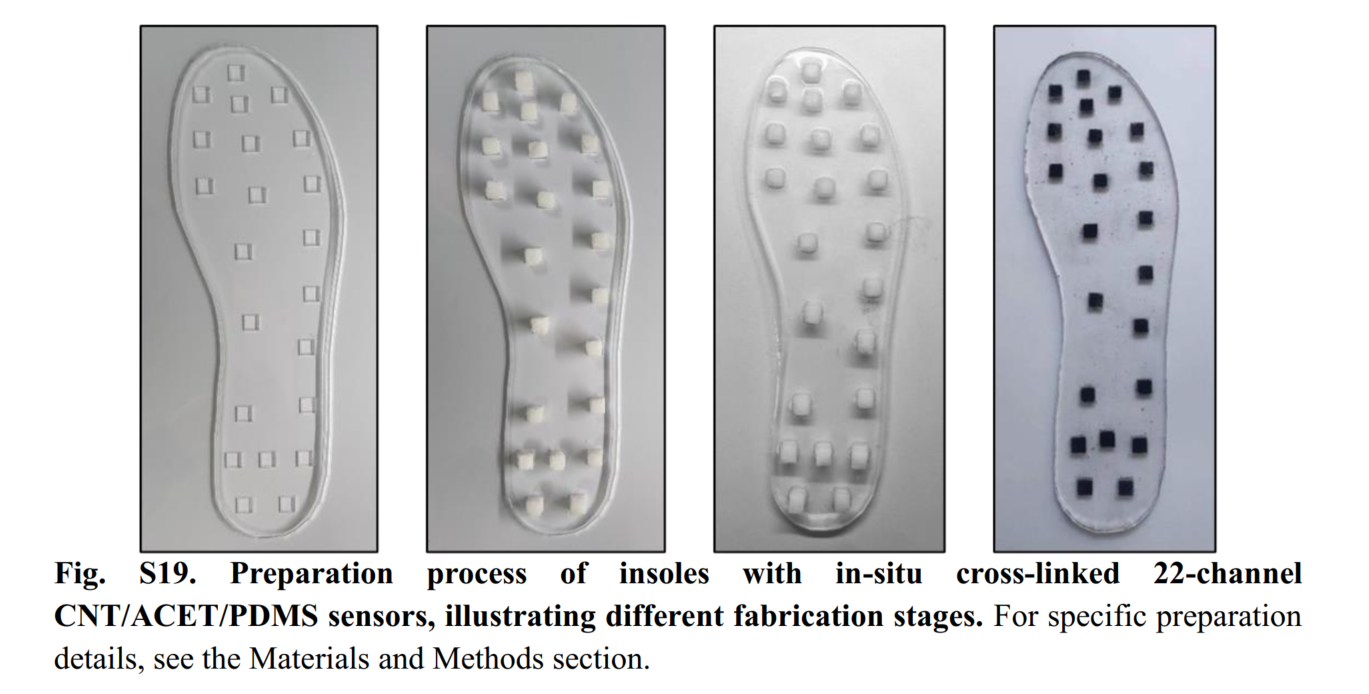
Figure 5: System fabrication process
On uniformity: I don’t think perfect uniformity is possible here, but they achieved a relatively consistent result.
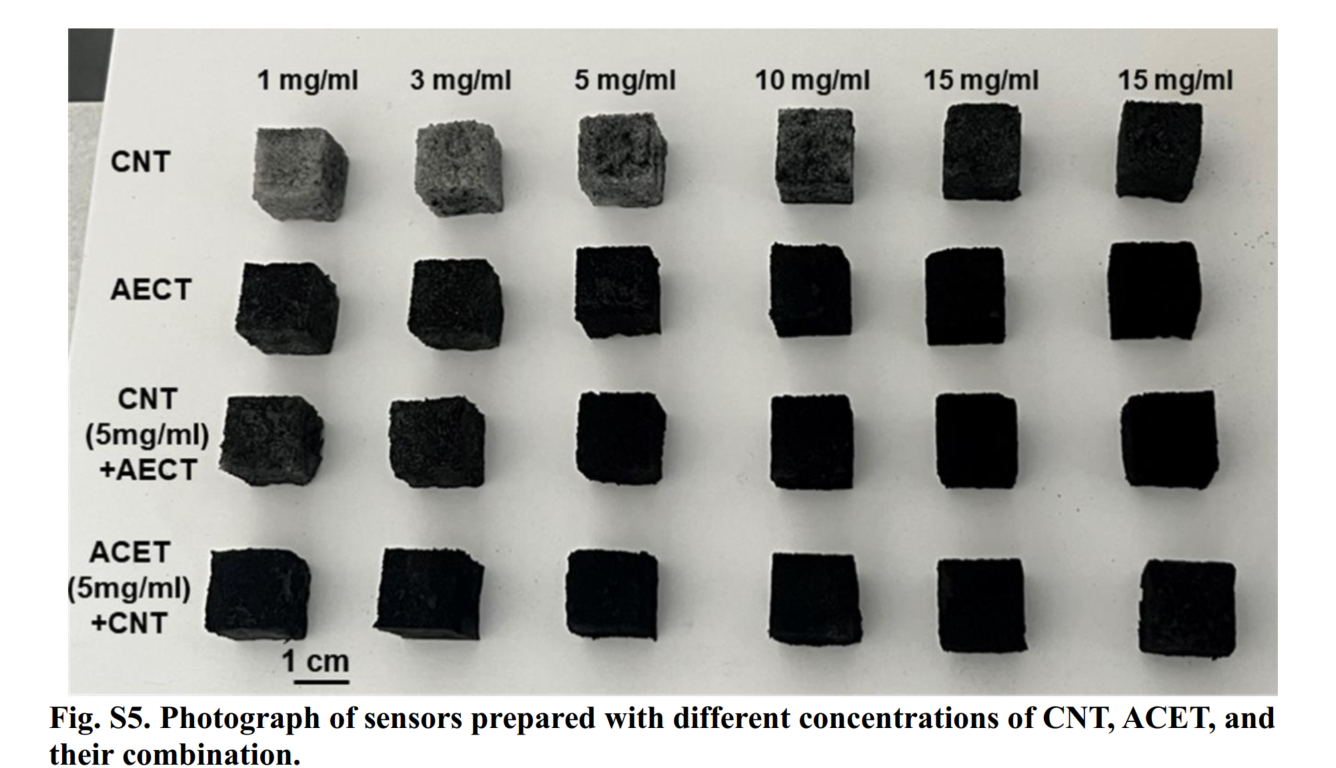
Figure 6: Sensor uniformity across the array
🧠 Machine Learning Models
They experimented with several models:
- SVM (support vector machine)
- Random forest
- Neural network (CNN)
🌟 Personal Insights
This study really packs it all in — self-powered, wireless pressure monitoring, and real-time gait analysis — all within a single system.
With over 10 authors, it’s clear this was a large, multidisciplinary effort. The paper touches on a lot — from material innovation to system integration to machine learning. It feels like an all-in-one paper. But because it covers so many aspects, each individual part doesn’t go very deep. There’s a sense that some technical details had to be sacrificed for the sake of breadth.
Still, reading this reminded me: there are so many meaningful problems to solve, and so many powerful tools available — but we can only focus on a few. Choosing a direction and going deep remains as important as ever.
📖 Reference
Wang, Qi, et al. “A wireless, self-powered smart insole for gait monitoring and recognition via nonlinear synergistic pressure sensing.” Science Advances 11.16 (2025): eadu1598. DOI: doi.org/10.1038/s41467-024-55323-6
2_A wireless, self-powered smart insole for gait monitoring and recognition via nonlinear synergistic pressure sensing